 2026-08-06
STM32MP1 BOM Sourcing Guide: Memory, Power and Industrial Control Components
If you are building or repairing a board around the STM32MP1 series, the MPU itself is only one part of the sourcing work. In a real project, buyers usually need to check the full BOM: memory ICs, power management parts, MOSFETs, rectifier diodes, optocouplers, interface ICs, connectors, crystals and passive components.
This is where many delays start. The main processor may be selected early, but supporting components can still block production if one memory chip, diode, power device or connector becomes hard to find. For industrial control boards, HMI panels, PLC gateways and embedded Linux devices, it is better to review the whole component list before the project reaches the urgent stage.
Why STM32MP1 Projects Need BOM-Level Sourcing
According to STMicroelectronics, the STM32MP1 family covers Arm Cortex-A7 based microprocessors, with product lines used in industrial, HMI, gateway, smart device and infrastructure applications. Mouser also lists STM32MP1 mainly under microprocessors, integrated circuits and development tools, which shows the search intent is strongly related to selection and procurement.
That matters for SEO and for real buyers. Someone searching for “STM32MP1” may not only want a datasheet. They may be comparing board designs, checking availability, replacing a damaged unit, or preparing an OEM production BOM.
So this article should point readers to your existing STM32MP1 series page, then guide them into related component categories and sourcing topics.
Common Components Around an STM32MP1 Board
| BOM Area | Typical Components | Sourcing Check |
|---|---|---|
| Processor | STM32MP1 MPU family | Exact part number, package, temperature grade, lifecycle |
| Memory | DDR, SDRAM, SPI NOR Flash, eMMC or storage ICs | Density, voltage, speed, package, interface compatibility |
| Power | PMICs, MOSFETs, regulators, rectifier diodes | Voltage, current, thermal rating, package, lead time |
| Isolation | Optocouplers, digital isolators, isolation amplifiers | Isolation voltage, speed, CTR, safety approvals |
| Interface | Ethernet, CAN, RS-485, USB, display and connector parts | Protocol, package, ESD protection, connector availability |
Memory ICs Are Often the First BOM Risk
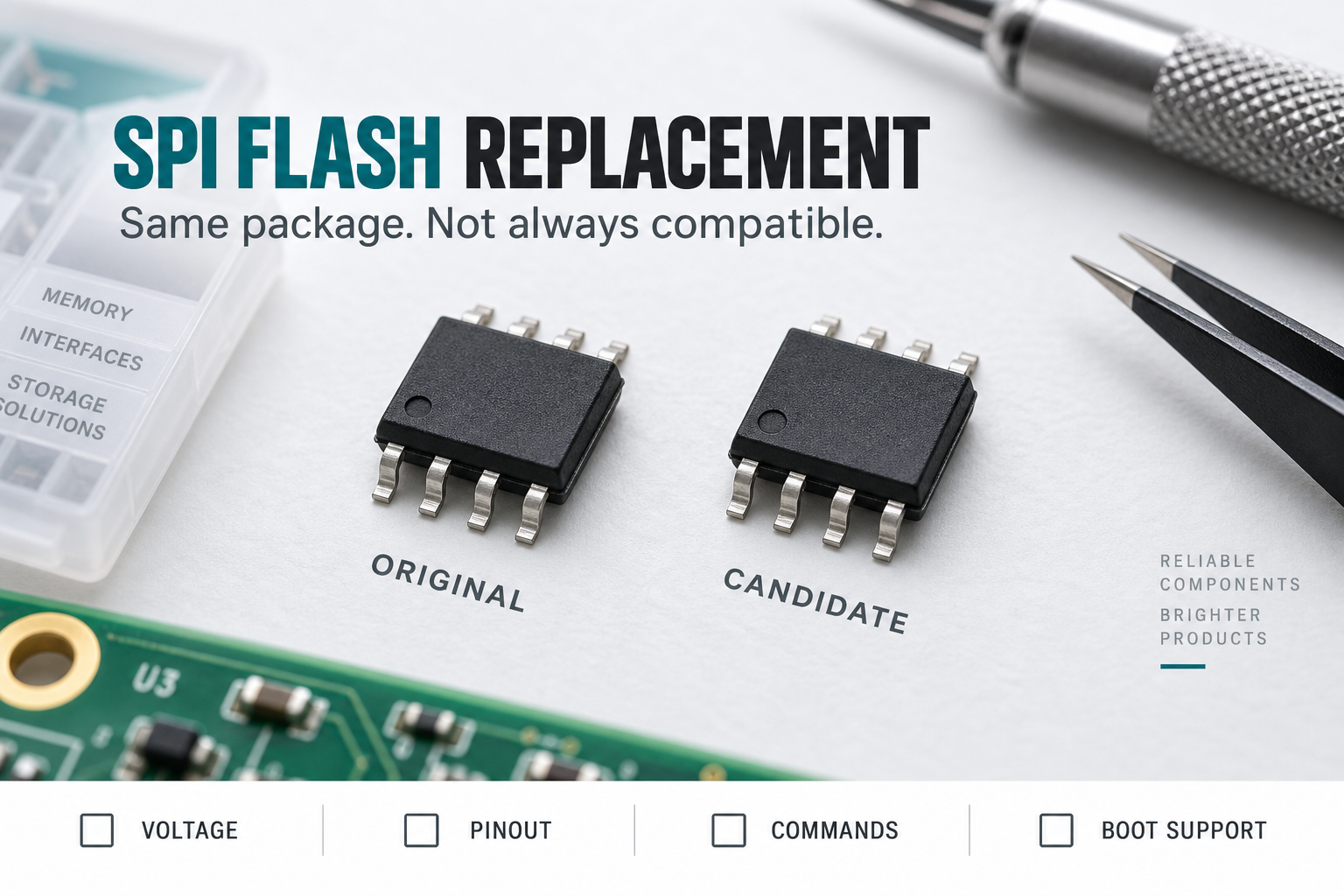
For many STM32MP1 designs, memory is not something to leave until the last minute. A small suffix difference may change package, density, temperature range, voltage or packing method. If the memory part changes, the engineering team may need to check boot behavior, timing and board compatibility again.
If your design uses SPI NOR Flash, this older guide is worth linking internally: SPI NOR Flash Memory Sourcing Guide for Embedded Systems. If the BOM includes ISSI memory devices, link to ISSI Memory IC Selection Guide as a supporting page.
This creates a cleaner topic path for Google: STM32MP1 series → embedded system BOM → memory IC sourcing → specific memory product pages.
Power Components Should Be Checked Together
The power section around an STM32MP1 board can include PMICs, regulators, MOSFETs, rectifier diodes, TVS protection and capacitors. In industrial applications, these parts may face temperature stress, unstable input power, motor noise or long operating hours.
That is why power BOM sourcing should not only look at price. Buyers should check voltage rating, current rating, package, thermal behavior and lead time. For diode-related selection, link to your existing ultra fast rectifier diode guide. This helps push relevance from STM32MP1 into your power electronics content cluster.
STM32MP1 in Industrial Control, PLC and Gateway Projects
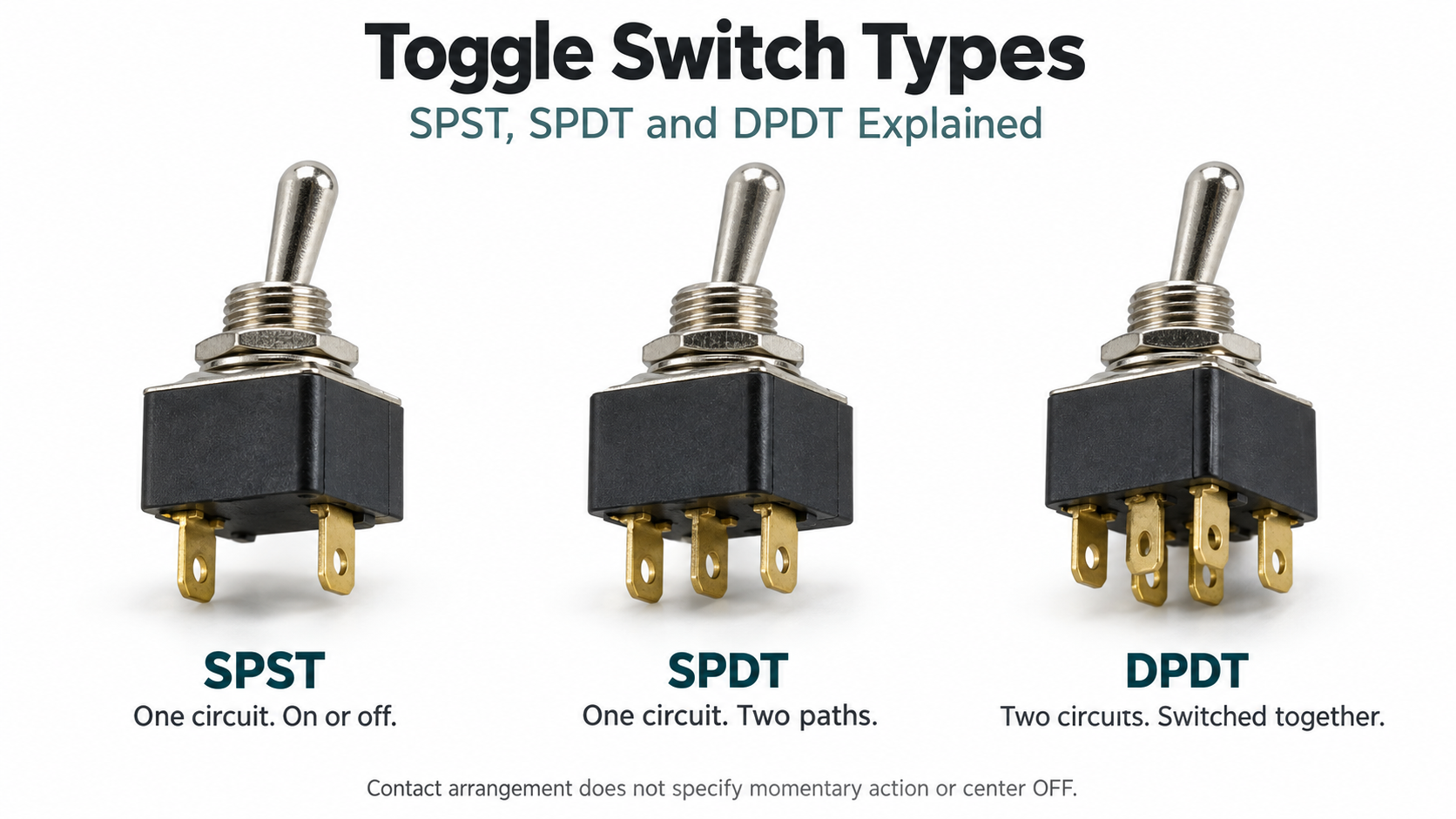
STM32MP1 projects often appear in industrial HMI, control gateways, edge devices and automation-related systems. In these projects, the board may also include optocouplers, relays, terminal blocks, protection devices and communication ICs.
For readers working on PLC-related sourcing, connect them to your older article: What Are the Main Components of a PLC?. This is exactly how old content gets revived: one new article gives context, then passes users and search engines to older pages with related intent.
How to Send an STM32MP1 BOM for RFQ
A good RFQ should include more than one part number. If possible, send the full BOM with manufacturer part numbers, brands, quantities, target delivery date, package requirements and whether alternatives are allowed.
If some components are already shortage, obsolete or hard to identify, mark them clearly. EASYIEE can help check availability, lead time, datasheets, possible alternatives and sourcing risk. For a broader process, you can also refer to the BOM Sourcing Guide for OEM Electronic Components and the Hard-to-Find Electronic Components Guide.
How EASYIEE Supports STM32MP1 Related BOMs
EASYIEE supports electronic components sourcing for STM32MP1 related projects, embedded system BOMs, industrial control boards, PLC gateways, HMI devices, power modules and OEM production builds.
You can send your BOM list or part numbers to EASYIEE for checking. Our sourcing work can cover memory ICs, MOSFETs, rectifier diodes, optocouplers, PMICs, connectors, interface ICs, sensors, capacitors, resistors and other supporting components.
FAQ
What is STM32MP1 used for?
STM32MP1 is used in embedded Linux systems, industrial HMI, gateways, smart devices, control equipment and applications that need MPU performance with industrial connectivity.
What components are needed around STM32MP1?
A typical STM32MP1 board may need memory ICs, PMICs, MOSFETs, rectifier diodes, optocouplers, interface ICs, connectors, crystals, protection devices and passive components.
Can EASYIEE help source STM32MP1 related BOM components?
Yes. EASYIEE can support BOM sourcing and RFQ checks for STM32MP1 related electronic components, including memory, power, isolation, interface and industrial control parts.
Should I source the STM32MP1 MPU only or the full BOM?
For production or repair projects, it is better to check the full BOM. Supporting components such as memory, PMICs, MOSFETs and connectors can also become shortage or delay the project.