



Home / Products / Integrated circuits / Logic ICs /
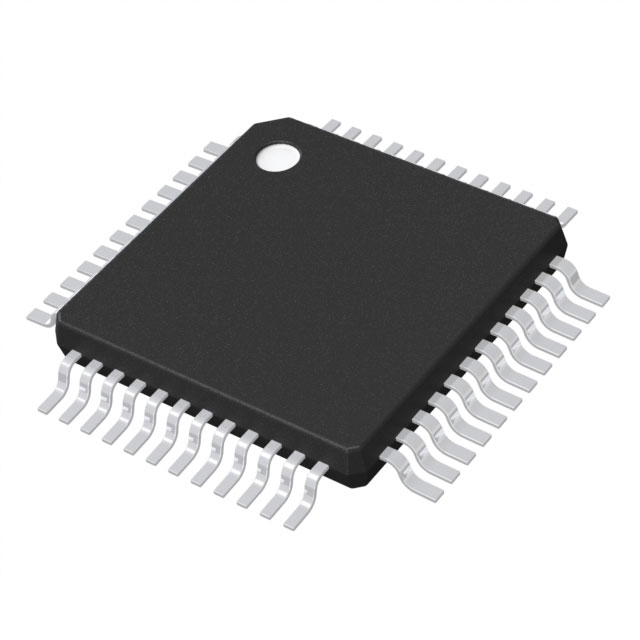

ATMEGA16A-AU
| Manufacturer Part Number: TPS2065DDBVR | Manufacturer / Brand: TI |
| Part of Description: AVR AVR® ATmega Microcontroller IC 8-Bit 16MHz 16KB (8K x 16) FLASH 44-TQFP (10x10) | Lead Free Status / RoHS Status:  Lead free / RoHS Compliant Lead free / RoHS Compliant |
| Ship From: HK/Shen Zhen | Shipment Way: DHL/Fedex/TNT/UPS |
| Datasheets: |
Product parameters
| Manufacturer | Atmel |
| RoHS | Details |
| Mounting Style | SMD/SMT |
| Maximum Clock Frequency | 16 MHz |
| Data RAM Size | 1 kB |
| Package / Case | TQFP-44 |
| Output Type | Digital |
| Minimum Operating Temperature | – 40 C |
| Maximum Operating Temperature | + 85 C |
| Packaging | Tray |
| Factory Pack Quantity | 160 |
| Product Type | Microcontrollers – MCU |
| Width | 10 mm |
| Unit Weight | 0.077179oz |
Get in touch with us now
Related Products
SN74LV4052AD
- Manufacturer / Brand: Texas Instruments
- Ship From: HK/Shen Zhen
- Description: New original
- Data sheet:
Quote:
RFQ
SN74LV4051AN
- Manufacturer / Brand: Texas Instruments
- Ship From: HK/Shen Zhen
- Description: New original
- Data sheet:
Quote:
RFQ
74SSTUB32868ZRHR
- Manufacturer / Brand: Texas Instruments
- Description: New original
- Ship From: HK/Shen Zhen
- Data sheet: datasheet-1667368970.pdf
Quote:
RFQ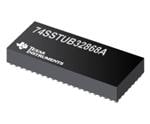
74SSTUB32868AZRHR
- Manufacturer / Brand: Texas Instruments
- Description: New original
- Ship From: HK/Shen Zhen
- Data sheet: datasheet-1667368980.pdf
Quote:
RFQ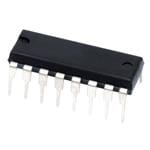
SN74LV4052AN
- Manufacturer / Brand: Texas Instruments
- Ship From: HK/Shen Zhen
- Description: New original
- Data sheet:
Quote:
RFQ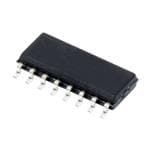
CD74HC4051M96G4
- Manufacturer / Brand: Texas Instruments
- Ship From: HK/Shen Zhen
- Description: New original
- Data sheet:
Quote:
RFQ
74SSTUB32866AZKER
- Manufacturer / Brand: Texas Instruments
- Description: New original
- Ship From: HK/Shen Zhen
- Data sheet: datasheet-1667368964.pdf
Quote:
RFQ
THS6222IRHFT
- Manufacturer / Brand: Texas Instruments
- Description: New original
- Ship From: HK/Shen Zhen
- Data sheet: datasheet-1667368958.pdf
Quote:
RFQThe ATmega16A-AU is a high-performance, low-power 8-bit microcontroller from Microchip Technology (formerly Atmel). It belongs to the AVR family of microcontrollers and is known for its versatility, reliability, and wide range of applications.
Key Features:
- Architecture: 8-bit AVR microcontroller with advanced RISC architecture.
- CPU Speed: Operates at up to 16 MHz, providing fast execution of instructions.
- Memory:
- Flash Memory: Up to 16 KB of in-system self-programmable flash memory for program storage.
- SRAM: 1 KB of SRAM for data storage.
- EEPROM: 512 bytes of EEPROM for non-volatile data storage.
- Peripherals:
- Timers and Counters: Multiple timers/counters for various timing and control applications.
- Analog-to-Digital Converter (ADC): Built-in 10-bit ADC for analog signal acquisition.
- Communication Interfaces: USART, SPI, and I2C interfaces for serial communication.
- PWM Channels: Pulse Width Modulation (PWM) channels for controlling motor speeds, LED brightness, etc.
- Power Management: Low-power consumption with multiple sleep modes to conserve energy in battery-powered applications.
- Operating Voltage: Typically operates at 1.8V to 5.5V, depending on specific operating conditions.
- Package Type: Available in various package types including TQFP and QFN, suitable for different application requirements.
- Advanced Features: Includes advanced features such as watchdog timer, real-time counter (RTC), and programmable interrupts.
Typical Applications:
- Embedded Systems: Used in various embedded applications requiring low-power, high-performance microcontroller solutions.
- Automotive Electronics: Applications include dashboard controls, motor control units, and electronic fuel injection systems.
- Consumer Electronics: Found in appliances, remote controls, toys, and other consumer electronic products.
- Industrial Automation: Used in control systems, data acquisition systems, and industrial process monitoring.
- Communications: Suitable for communication modules, IoT devices, and wireless sensor networks.
Advantages:
- Versatility: Offers a wide range of peripherals and interfaces suitable for diverse application requirements.
- Ease of Use: Supported by a comprehensive development ecosystem including compilers, debuggers, and software libraries.
- Reliability: Known for its robust performance and reliability in demanding industrial and automotive environments.
- Cost-Effective: Provides a cost-effective solution with integrated features reducing external component count.

